The Hidden Costs of Unpredictable Monsoons on Logistics
Navigating the Shifting Atmospheric Currents of Southeast Asian Trade.
The Shifting Timeline of Southeast Asian Monsoons
Historically, the Arrival of the Northeast and Southwest monsoons provided a predictable rhythm for global trade. However, climate volatility has decoupled these seasons from their traditional calendars. In Singapore and across the ASEAN corridor, we are observing high-frequency shifts that catch logistics providers off-guard.
At Nimbus Ascent Consulting, our data shows that "onset variance"—the gap between predicted and actual monsoon start dates—has increased by 18% over the last decade. This isn't just a meteorological curiosity; it's a multi-million dollar logistics bottleneck.
"Reactionary planning in the face of monsoon volatility is no longer sustainable. Resilient supply chains must integrate atmospheric data as a core operational variable."
1. Quantitative Impacts on Maritime Shipping
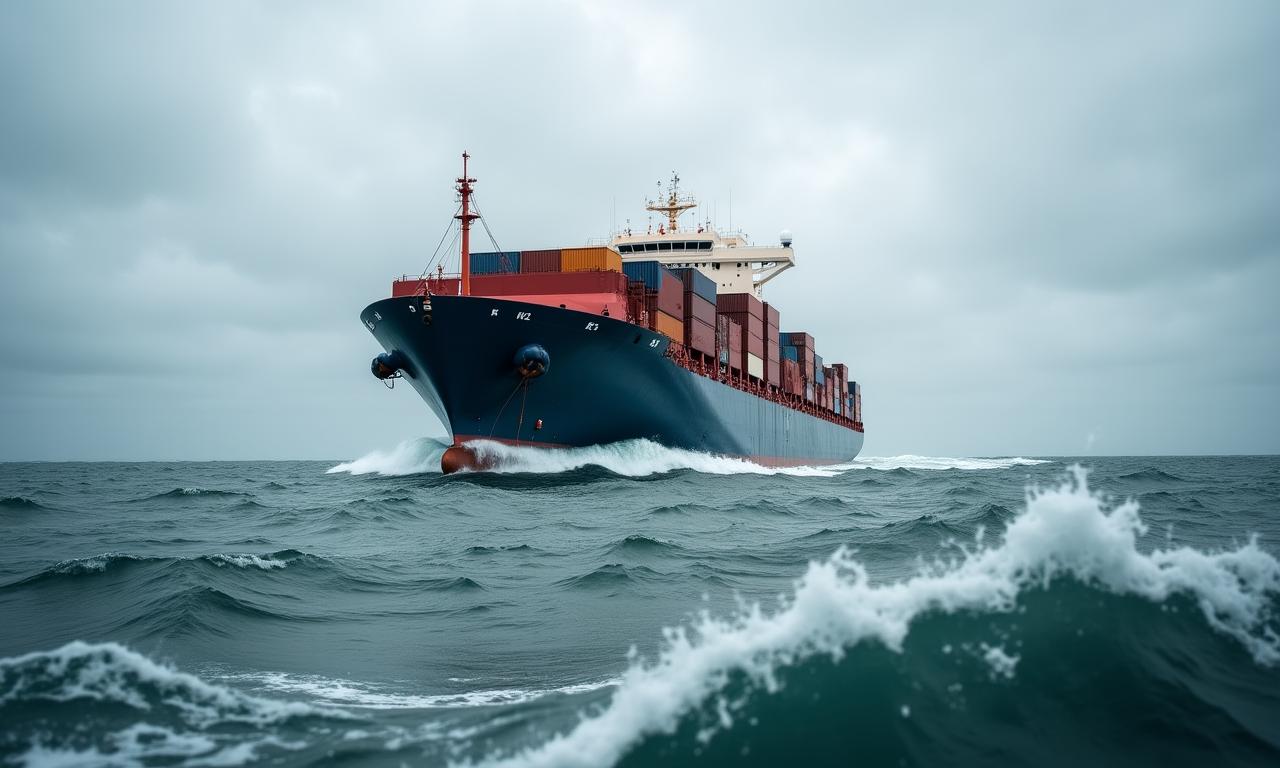
Maritime transport handles over 80% of global trade. Increased wind shear and unpredictable sea states during erratic monsoon phases lead to significant port congestion. When a vessel misses its berthing window due to weather, the ripple effect through the feeder network can delay regional shipments by up to 12 days.
- Increased fuel consumption due to route deviations.
- Higher demurrage and detention charges at major hubs like Jurong Port.
- Elevated risk of cargo damage from excessive pitching and rolling.
2. Inland Transport and Infrastructure Stress
The monsoon's impact doesn't stop at the shoreline. Heavy, localized flooding—often referred to as 'Flash Monsoons'—destroys the reliability of inland trucking. Infrastructure not designed for contemporary rainfall intensity faces rapid degradation, leading to bridge closures and road washouts.
Warehouse Vulnerability
Extended moisture exposure during unpredictable wet seasons leads to inventory loss through mold and structural saturation.
Last-Mile Delays
Urban flooding in hubs like Singapore increases last-mile delivery times by up to 40%, impacting service level agreements (SLAs).
3. Predictive Meteorology: The Resilience Engine

Modern supply chain resilience relies on Dynamic Routing. By integrating high-resolution atmospheric modeling, logistics managers can shift from reactive disruption management to proactive redirection.
Our climate risk assessments provide the granular detail needed to:
Ready to Weather the Storm?
Don't let the next monsoon derail your operations. Consult with our meteorological experts for a custom climate risk profile of your supply chain.
Request an Analysis